Optimizing Fleet Efficiency: The Essential Guide to Mobile Data Terminal Hardware
In vehicle-based jobs like delivery routes or emergency response, staying connected matters a lot. You need quick access to info while on the move. Mobile data terminals, or MDTs, act like the brain of your truck or van. They handle data flow to keep teams sharp and operations smooth.
Teams often deal with delays from poor communication or lost paperwork. Drivers waste time on wrong turns or manual logs. MDT hardware fixes this by linking everything in real time. It cuts errors and speeds up tasks for logistics crews or field workers.
This guide breaks down what makes MDT hardware work well. We’ll cover key parts, how to pick the right one, and tips for setup in your fleet. By the end, you’ll know how to choose gear that boosts your daily runs.
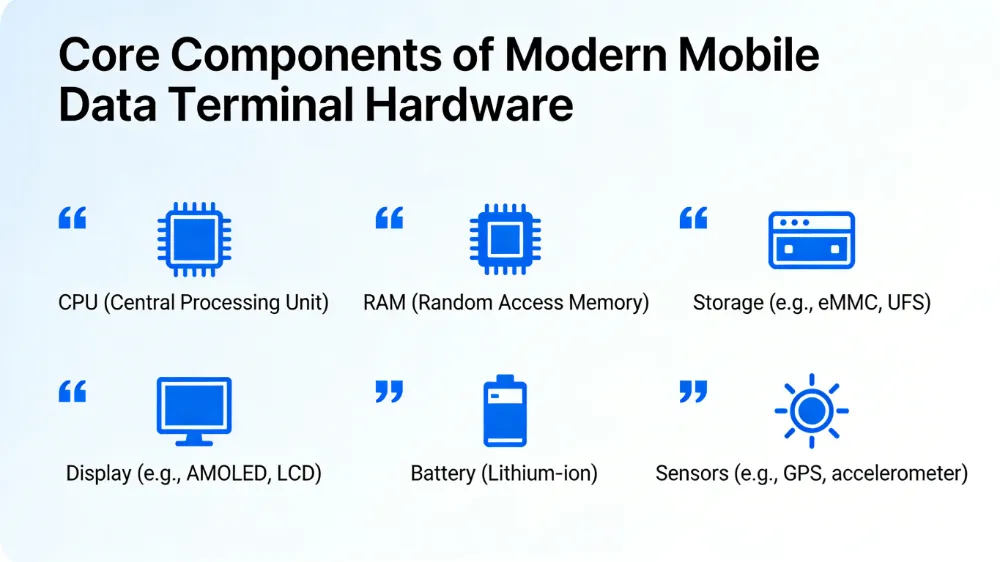
Core Components of Modern Mobile Data Terminal Hardware
MDT hardware forms the base for any vehicle setup. It includes the tech that processes data fast and stays reliable under stress. Buyers should look at these parts to match needs with costs.
Processing Power and Memory Requirements
Pick a CPU that handles tough jobs without slowing down. Intel Atom chips work fine for basic tasks, but ARM-based ones shine in newer models for better battery life. They run dispatch apps and track vehicle stats at the same time.
RAM matters too—aim for at least 4GB to juggle multiple screens. Low memory causes lags during peak hours, like rush deliveries. In fleet ops, smooth performance keeps drivers focused on the road.
Storage options like eMMC suit tight budgets, while SSDs offer speed and last longer. Mobile gear faces bumps and heat, so choose drives that resist failures. This ensures your data stays safe even on long hauls.
Display Technology and Ergonomics
Screen size around 7 to 10 inches fits most dashboards without crowding. High resolution, like 1920×1080, shows maps clearly. Sunlight readability tops 1000 nits to beat glare on bright days.
Touchscreens need to work with gloves—capacitive types respond better than resistive ones. This helps workers in rough jobs tap icons fast. Poor screens lead to mistakes, so test them in real light.
Durability comes from Gorilla Glass that shrugs off scratches. Anti-glare coatings cut reflections from windows. These features make the display usable in any weather, from rain to dust storms.
Connectivity Modules: Beyond Basic Cellular
4G LTE covers most areas, but 5G prep future-proofs your setup for faster uploads. Support for multiple bands avoids dead zones in rural spots. Redundant Wi-Fi lets you switch to hotspots when signals drop.
GPS antennas built-in track routes with pinpoint accuracy. Pair it with Bluetooth for quick links to scanners or headsets. This setup streams data without wires getting in the way.
Serial ports connect to older vehicle systems, like CAN bus for engine info. Ethernet options handle high-data tasks, such as video feeds. Strong connectivity turns your MDT into a full hub for on-road work.
.......................................
Lean more:https://newision.com/blog/mobile-data-terminal-hardware/


Comments
Post a Comment